



Advantages of midline catheter infusion in the treatment of pediatric complex limb trauma and prediction of associated phlebitis
-
摘要:
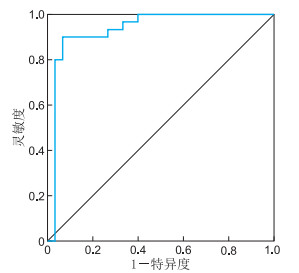
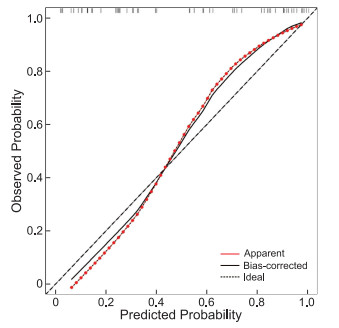
目的 儿童复杂肢体创伤需长期静脉治疗,传统留置针静脉炎发生率高。本研究比较中长导管与留置针疗效差异,并建立静脉炎风险预测模型,为临床决策提供依据。 方法 回顾性分析2018年1月—2024年6月无锡市第九人民医院儿童骨科收治的86例复杂肢体创伤患儿临床资料,按静脉通路分为观察组(中长导管,60例)和对照组(外周留置针,26例),比较其输液风险及并发症情况。基于观察组静脉炎发生情况再分为发生组(30例)和未发生组(30例);采用lasso回归筛选风险因素,Logistic回归研究独立危险因素,使用R语言构建预测模型。 结果 观察组不良事件总发生率低于对照组,差异有统计学意义(P < 0.05)。观察组静脉炎发生率为50.00%(30/60),对照组为69.23%(18/26),差异有统计学意义(χ2=3.906,P=0.048)。Logistic回归分析显示,静脉治疗时间增加(B=0.079,OR=1.082)、套管针滞留时间延长(B=0.163,OR=1.177)、药物刺激性强度增高(B=0.562,OR=1.755)均是静脉炎发生的独立危险因素。构建的预测模型AUC为0.933,绝对误差平均值为0.054,具有良好的预测效能。 结论 在治疗中,中长导管与外周留置针的置管成功率相当,但中长导管具有留置时间长、输液风险低、并发症少的优势;且静脉炎预测模型可预测中长导管治疗患者的静脉炎发生概率,为临床决策提供参考。 Abstract:Objective Children with complex limb trauma often require prolonged intravenous therapy, during which peripheral venous catheters (PVCs) are associated with a high incidence of phlebitis. This study compared the efficacy of midline catheters (MCs) with PVCs and developed a predictive model for phlebitis to support clinical decision-making. Methods A retrospective analysis was conducted on 86 pediatric patients with complex limb trauma treated at the Department of Pediatric Orthopaedics, Wuxi Ninth People ' s Hospital, between January 2018 and June 2024. Patients were allocated to an observation group (MC, n=60) or a control group (PVC, n=26), and infusion-related risks and complications were compared. MC patients were further subdivided into a phlebitis subgroup (n=30) and a non-phlebitis subgroup (n=30). Risk variables were screened by Lasso regression, independent predictors were identified by logistic regression, and a prediction model was constructed using R software. Results The overall incidence of adverse events in the observation group was significantly lower than in the control group (P < 0.05). Phlebitis rates were 50.00%(30/60) with MC and 69.23% (18/26) with PVC (χ2=3.906, P=0.048). Logistic regression revealed that prolonged intravenous therapy duration (B=0.079, OR=1.082), extended catheter dwell time (B=0.163, OR=1.177), and higher drug irritancy (B=0.562, OR=1.755) were independent risk factors for phlebitis. The derived predictive model demonstrated excellent discriminative ability, with an AUC of 0.933 and an mean absolute error of 0.054. Conclusion MC and PVC exhibit similar first-attempt insertion success rates. However, MC offers longer dwell time, lower infusion-related risks, and fewer complications. The developed phlebitis prediction model accurately estimates the probability of phlebitis in children receiving MC, thereby facilitating evidence-based clinical decision-making. -
Key words:
- Medium-length catheters /
- Intravenous infusion /
- Children /
- Complex trauma /
- Prediction model
-

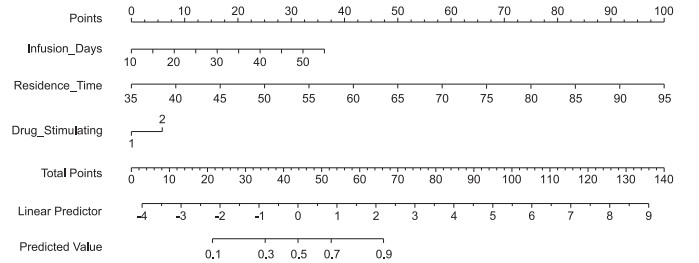
图 1 中长导管静脉治疗复杂肢体创伤患儿发生静脉炎的风险预测
注:Infusion_Days为静脉治疗天数,Residence_Time为套管针滞留时间,Drug_Stimulating为药物刺激性。
Figure 1. Nomogram Figure for predicting phlebitis during intravenous therapy with midline catheters

图 2 中长导管静脉治疗静脉炎logistic回归预测模型的ROC曲线
Figure 2. ROC curve of the logistic regression prediction model for phlebitis during long- and medium-length catheter intravenous therapy

图 3 中长导管静脉治疗静脉炎logistic回归预测模型的校准曲线
Figure 3. Calibration plot of the logistic regression prediction model for phlebitis in patients undergoing intravenous catheter therapy for midline catheters
表 1 2组复杂肢体创伤患儿一般资料比较
Table 1. Comparison of general data between two groups of children with complex limb injuries
项目 观察组(n=60) 对照组(n=26) 统计量 P值 性别[例(%)] 0.649a 0.420 男 41(68.33) 20(76.92) 女 19(31.67) 6(23.08) 年龄(x±s,岁) 7.81±3.84 8.23±3.42 0.067b 0.947 住院时间(x±s,d) 36.96±23.75 38.5±15.91 0.041b 0.968 静脉治疗时间(x±s,d) 27.33±13.37 30.95±11.91 0.166b 0.869 疾病类型[例(%)] 0.123a 0.989 肢体离断 18 (30.00) 7 (26.92) 毁损与脱套 14 (23.33) 6 (23.08) 开放性骨折伴组织缺损 20 (33.33) 9 (34.62) 多发骨折合并骨筋膜室综合征 8 (13.34) 4 (15.38) 注:a为χ2值,b为t值。  下载: 导出CSV
表 2 2组复杂肢体创伤患儿输液风险与并发症事件比较[例(%)]
Table 2. Comparison of infusion-related risks and complication events between two groups of children with complex limb injuries [cases (%)]
组别 例数 静脉贯穿 伤口感染 静脉炎 静脉血栓 意外脱管 事件发生人次 观察组 60 0 3(5.00) 30(50.00) 0 0 33(55.00) 对照组 26 1(3.85) 1(3.85) 18(69.23) 0 1(3.85) 21(80.77) χ2值 1.469 3.906 4.946 P值 0.999a 0.225 0.048 0.999a 0.026 注:a为采用Fisher精确检验。
下载: 导出CSV
表 3 中长导管静脉治疗复杂肢体创伤患儿发生静脉炎的单因素分析
Table 3. Univariate analysis of risk factors for phlebitis in children with complex limb trauma undergoing intravenous therapy via midline catheter
项目 未发生组(n=30) 发生组(n=30) 统计量 P值 性别[例(%)] 0.999c 男 21(70.00) 20(66.67) 女 9(30.00) 10(33.33) 年龄(x±s,岁) 8.73±3.98 9.73±3.97 0.178a 0.859 BMI(x±s) 16.89±1.91 16.81±1.87 0.030a 0.976 住院时间(x±s,d) 49.53±18.50 58.67±15.52 2.073a 0.043 静脉治疗时间(x±s,d) 20.97±3.40 36.23±5.80 2.270a 0.027 疾病类型[例(%)] 5.641b 0.130 肢体离断 5(16.67) 13(43.33) 毁损与脱套 8(26.67) 6(20.00) 开放性骨折伴组织缺损 13(43.33) 7(23.33) 多发骨折合并骨筋膜室综合征 4(13.33) 4(13.33) 药物渗出[例(%)] 0.181c 无 27(90.00) 22(73.33) 有 3(10.00) 8(26.67) 穿刺点渗血[例(%)] 0.026c 无 29(96.67) 22(73.33) 有 1(3.33) 8(26.67) 导管堵塞[例(%)] 0.707c 无 27(90.00) 25(83.33) 有 3(10.00) 5(16.67) 多次穿刺[例(%)] 0.254c 无 28(93.33) 24(80.00) 有 2(6.67) 6(20.00) 置管耗时(x±s,min) 9.57±3.24 18.93±10.01 3.482a < 0.001 药物刺激性[例(%)] 0.033c 一般 16(53.33) 7(23.33) 强 14(46.67) 23(76.67) 套管针滞留时间(d) 44.03±1.54 56.95±5.56 2.239a 0.029 固定方式[例(%)] 胶带固定 7(23.33) 7(23.33) 贴膜固定 23(76.67) 23(76.67) 穿刺部位[例(%)] 0.095c 手背 24(80.00) 17(56.67) 其他 6(20.00) 13(43.33) 日输液量[例(%)] <1 000 mL 22(73.33) 22(73.33) ≥1 000 mL 8(26.67) 8(26.67) 溶液pH值 7.33±0.51 6.50±0.80 3.955a < 0.001 注:a为t值,b为χ2值,c为采用Fisher精确检验。
下载: 导出CSV
表 4 Lasso回归筛选中长导管静脉治疗复杂肢体创伤患儿发生静脉炎的影响因素
Table 4. Influencing factor screening for phlebitis in complex limb trauma children receiving midline catheter infusion therapy using Lasso regression
影响因素 Lasso回归 共线性分析 λ值 筛选结果 VIF值 筛选结果 住院时间 0 排除 静脉治疗时间 0.047 纳入 2.976 纳入 套管针滞留时间 0.040 纳入 5.002 纳入 置管耗时 0.150 纳入 25.262 排除 溶液pH值 -1.214 纳入 29.428 排除 穿刺点渗血 1.200 纳入 17.991 排除 药物刺激性 0.230 纳入 5.019 纳入
下载: 导出CSV
表 5 中长导管静脉治疗复杂肢体创伤患儿发生静脉炎的多因素分析
Table 5. Multivariate analysis of risk factors for phlebitis in complex limb trauma children treated with midline catheter intravenous therapy
变量 B SE Waldχ2 P值 OR值 95% CI 静脉治疗时间 0.079 0.031 6.404 0.011 1.082 1.018~1.150 套管针滞留时间 0.163 0.048 11.377 < 0.001 1.177 1.071~1.293 药物刺激性强度 0.562 0.722 0.607 0.044 1.755 0.138~2.346 注:各变量赋值如下,静脉炎,无=0,有=1;性别,男=1,女=2;疾病类型,肢体离断=(0, 0, 0, 1),毁损与脱套=(0, 0, 1, 0),开放性骨折伴组织缺损=(0, 1, 0, 0),多发骨折合并骨筋膜室综合征=(1, 0, 0, 0);药物渗出,无=0,有=1;穿刺点渗血,无=0,有=1;导管堵塞,无=0,有=1;意外脱管,无=0,有=1;药物刺激性,一般=1,强=2;固定方式,胶带固定=0,贴膜固定=1;穿刺部位,手背=1,其他=2;日输液量,<1 000 mL=0,≥1 000 mL=1。本表仅列出差异有统计学意义的变量。
下载: 导出CSV
-
[1] CLARK P, MONTIEL-OJEDA D, RASCóN-PACHECO R, et al. Fracture incidence in children and adolescents 0-19 years old in Mexico: a 12-year cross-sectional analysis[J]. Arch Osteoporos, 2022, 17(1): 127. doi: 10.1007/s11657-022-01162-1 [2] CROCOLI A, MARTUCCI C, SIDRO L, et al. Safety and effectiveness of subcutaneously anchored securement for tunneled central catheters in oncological pediatric patients: a retrospective study[J]. J Vasc Access, 2023, 24(1): 35-40. doi: 10.1177/11297298211009364 [3] 宋蕾, 吴晓宁, 耿文真, 等. 不同冲封管频次对幼儿外周静脉导管堵管率和留置时间的影响[J]. 中国护理管理, 2022, 22(2): 217-222.SONG L, WU X N, GENG W Z, et al. Effects of different saline flushing frequency on the blocking rate and indwelling time of peripheral venous catheter in young children[J]. Chinese Nursing Management, 2022, 22(2): 217-222. [4] CAMPBELL K. The neurobiology of childhood trauma, from early physical pain onwards: as relevant as ever in today ' s fractured world[J]. Eur J Psychotraumatol, 2022, 13(2): 2131969. DOI: 10.1080/20008066.2022.2131969. [5] 赵林芳, 蔡志云, 樊小朋, 等. 中等长度静脉导管置管不同尖端位置的效果比较[J]. 中华护理杂志, 2022, 57(5): 517-524.ZHAO L F, CAI Z Y, FAN X P, et al. Application comparison of different tip positions of midline catheters[J]. Chinese Journal of Nursing, 2022, 57(5): 517-524. [6] 万蓉, 顾丽磊, 朱康平, 等. 医护一体化模式应用于留置改良型中长导管患者中的效果观察[J]. 护理实践与研究, 2022, 19(18): 2823-2826.WAN R, GU L L, ZHU K P, et al. Effect observation of medical and nursing integration mode in patients with indwelling modified medium and long catheter[J]. Nursing Practice and Research, 2022, 19(18): 2823-2826. [7] 徐兵, 杨丽娟, 戴明红, 等. 中等长度导管在危重新生儿静脉输液中的应用效果[J]. 循证护理, 2022, 8(9): 1276-1278.XU B, YANG L J, DAI M H, et al. Effect of midline catheters in intravenous infusion of critically ill neonates[J]. Chinese Evidence-Based Nursing, 2022, 8(9): 1276-1278. [8] 孙松蔚, 高玉芳, 王刚, 等. 中长静脉导管研究热点的可视化分析[J]. 中华急危重症护理杂志, 2022, 3(1): 67-72.SUN S W, GAO Y F, WANG G, et al. Visualization analysis of research hotpots in midline catheter[J]. Chinese Journal of Emergency and Critical Care Nursing, 2022, 3(1): 67-72. [9] EVANS L, AARABI S, DURAND R, et al. Torso vascular trauma[J]. Semin Pediatr Surg, 2021, 30(6): 151126. DOI: 10.1016/j.sempedsurg.2021.151126. [10] 王乙辛, 张志群. 儿童骨筋膜室综合征的研究进展[J]. 骨科, 2022, 13(6): 573-576.WANG Y X, ZHANG Z Q. Research progress of osteofascial compartment syndrome in children[J]. Orthopaedics, 2022, 13(6): 573-576. [11] 文淑君, 陈月琴, 王强, 等. Flow-through股前外侧穿支皮瓣修复断肢再植创面的围手术期护理[J]. 实用手外科杂志, 2022, 36(3): 414-417.WEN S J, CHEN Y Q, WANG Q, et al. Perioperative nursing of Flow-through anterolateral thigh perforator flap for repairing the wound after replantation of amputated limbs[J]. Journal of Practical Hand Surgery, 2022, 36(3): 414-417. [12] 吴晓惠, 沈国娣. 基于信息化构建的静脉安全用药护理在输液室管理中应用的效果研究[J]. 中华全科医学, 2021, 19(3): 505-507, 519. doi: 10.16766/j.cnki.issn.1674-4152.001847WU X H, SHEN G D. Study on the application effect of intravenous safe medication nursing based on information construction in infusion room management[J]. Chinese Journal of General Practice, 2021, 19(3): 505-507, 519. doi: 10.16766/j.cnki.issn.1674-4152.001847 [13] 严玉丽. 小儿留置针置入不同长度的效果研究[J]. 中国基层医药, 2021, 28(9): 1423-1426.YAN Y L. Effects of different insertion depths of an indwelling needle in children[J]. Chinese Journal of Primary Medicine and Pharmacy, 2021, 28(9): 1423-1426. [14] 李守卫, 张媛媛, 蔡静静. 改良外周动静脉全自动同步换血疗法治疗新生儿重度高胆红素血症的临床研究[J]. 中国基层医药, 2020, 27(13): 1609-1613.LI S W, ZHANG Y Y, CAI J J. A clinical study of the improved treatment of severe neonate hyperbilirubinemia by automatic and synchronous exchange transfusion of peripheral artery and vein[J]. Chinese Journal of Primary Medicine and Pharmacy, 2020, 27(13): 1609-1613. [15] 王小萍, 丁锦艳, 刘月珍. 儿童静脉输液不良反应和危险因素分析[J]. 中国妇幼保健, 2022, 37(10): 1868-1870.WANG X P, DING J J, LIU Y Z. Child venous transfusion adverse reactions and the analysis of risk factors[J]. Maternal and Child Health Care of China, 2022, 37(10): 1868-1870. [16] 谢彩英, 许雪梅, 杜丽群, 等. 改良型中长导管在HIV/AIDS患者中的临床应用[J]. 现代医药卫生, 2021, 37(24): 4277-4282.XIE C Y, XU X M, DU L Q, et al. Clinical application of modified medium-length catheter in patients with HIV/AIDS[J]. Journal of Modern Medicine & Health, 2021, 37(24): 4277-4282. [17] BUNCH J. A retrospective assessment of midline catheter failures focusing on catheter composition[J]. J Infus Nurs, 2022, 45(5): 270-278. doi: 10.1097/NAN.0000000000000484 [18] TRIPATHI S, KUMAR S, KAUSHIK S. The practice and complications of midline catheters: a systematic review[J]. Crit Care Med, 2021, 49(2): e140-e150. doi: 10.1097/CCM.0000000000004764 [19] 蒋慧珍, 任春霞, 占迎祝, 等. 儿童生活计划干预在住院患儿静脉留置针穿刺中的应用研究[J]. 中华全科医学, 2023, 21(1): 159-162. doi: 10.16766/j.cnki.issn.1674-4152.002835JIANG H Z, REN C X, ZHAN Y Z, et al. Application of child life program intervened in children ' s intravenous indwelling needle puncture[J]. Chinese Journal of General Practice, 2023, 21(1): 159-162. doi: 10.16766/j.cnki.issn.1674-4152.002835 [20] GIUSTIVI D, GIDARO A, BARONI M, et al. Tunneling technique of PICCs and Midline catheters[J]. J Vasc Access, 2022, 23(4): 610-614. doi: 10.1177/11297298211002579 [21] CARR A, GREEN J R, BENISH E, et al. Midline venous catheters as an alternative to central line catheter placement: a product evaluation[J]. Br J Nurs, 2021, 30(8): S10-S18. doi: 10.12968/bjon.2021.30.8.S10 [22] 谌朝辉, 姚雪英, 何欣. 风险层级管理模式在PICU中长导管静脉输液患儿中的应用[J]. 齐鲁护理杂志, 2021, 27(16): 15-17.CHEN Z H, YAO X Y, HE X. Application of risk level management mode in PICU children with medium length catheter intravenous infusion[J]. Journal of Qilu Nursing, 2021, 27(16): 15-17. [23] 王博, 何玉腊, 尹志勇, 等. GuidezillaTM延长导管在右冠状动脉起源异常患者经皮冠状动脉介入治疗中的有效性与安全性[J]. 临床内科杂志, 2023, 40(12): 841-844.WANG B, HE Y L, YIN Z Y, et al. The efficacy and safety of GuidezillaTM extended catheter in patients with anomalous origin of the right coronary artery undergoing percutaneous coronary intervention[J]. Journal of Clinical Internal Medicine, 2023, 40(12): 841-844. [24] 白亚飞, 陈汝满, 徐明芝, 等. 血液透析带隧道带涤纶套导管功能不良致导管更换的危险因素分析[J]. 临床内科杂志, 2022, 39(4): 272-273.BAI Y F, CHEN R M, XU M Z, et al. Analysis of risk factors for catheter replacement due to malfunction of tunneled cuffed catheters with polyester sheath in hemodialysis patients[J]. Journal of Clinical Internal Medicine, 2022, 39(4): 272-273. [25] MANRIQUE-RODRÍGUEZ S, HERAS-HIDALGO I, PERNIA-LÓPEZ M S, et al. Standardization and chemical characterization of intravenous therapy in adult patients: a step further in medication safety[J]. Drugs R D, 2021, 21(1): 39-64. doi: 10.1007/s40268-020-00329-w [26] GORSKI L A. The 2016 infusion therapy standards of practice[J]. Home Healthc Now, 2017, 35(1): 10-18. doi: 10.1097/NHH.0000000000000481 -

 点击查看大图
计量
- 文章访问数: 6
- HTML全文浏览量: 3
- PDF下载量: 0
- 被引次数: 0
